





















To Eat a God




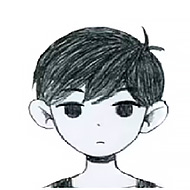
To Eat a God is an immersive narrative game where players guide a puppet through a mysterious Garden, encountering seven divine Symbols that govern the world around them. Each decision, dialogue choice, and observation shapes the unfolding story, creating multiple branching paths and endings. The game emphasizes careful exploration and thoughtful interaction, rewarding players who notice subtle cues and consider the consequences of their actions.
Understanding the Garden and Its Symbols
The Garden serves as both setting and narrative engine. Players navigate spaces filled with visual details and symbolic elements, interacting with each of the seven Symbols to uncover the story’s layers. The environment and characters respond dynamically to choices, offering new opportunities or closing paths based on previous decisions.
- Unique Symbols: Each one embodies distinct philosophies, affecting dialogue and story outcomes.
- Interactive Environment: Objects and locations change depending on interactions and story progression.
- Subtle Clues: Visual and narrative hints are embedded in the scenery for careful observers.
- Branching Outcomes: Every decision can open or restrict access to specific scenes and endings.
Gameplay and Decision-Making
To Eat a God centers on choice-driven progression. Players advance by selecting dialogue options and exploring symbolic events. Attention to detail, reflection, and patience are key, as even minor decisions can ripple through the narrative and influence character reactions and available endings.
- Pay Attention: Dialogue and environmental hints guide future story developments.
- Explore Thoroughly: Revisiting areas may reveal previously inaccessible interactions.
- Consider Consequences: Each choice has potential long-term effects on the story.
- Experiment: Trying different approaches unlocks alternate paths and secret scenes.
Features That Enhance the Experience
The game combines rich storytelling, artistic visuals, and symbolic exploration to create a compelling experience. Its structure encourages multiple playthroughs, as different paths reveal new perspectives and deepen the narrative complexity.
- Multiple Endings: Outcomes vary based on the player’s choices throughout the journey.
- Extensive Dialogue: In-depth conversations with the Symbols provide narrative richness.
- Immersive Visuals: Detailed character art and backgrounds reinforce the Garden’s surreal atmosphere.
- Replayable Paths: Revisiting earlier decisions unlocks hidden story fragments and alternative scenes.
Tips for Navigating the Garden
- Observe Carefully: Visual and dialogue clues often hint at hidden options or outcomes.
- Follow Your Curiosity: Interacting with unexpected elements may lead to secret discoveries.
- Experiment with Decisions: Trying different dialogue choices alters the story and reveals new content.
- Reflect on Symbol Behavior: Understanding each Symbol’s motivations can guide optimal choices.
To Eat a God is a game about reflection, exploration, and the consequences of choice. Its combination of symbolic storytelling, branching paths, and detailed visuals ensures that each playthrough offers a unique and thought-provoking journey. Players who approach the Garden with patience and attention will discover a richly layered narrative full of surprises and meaningful interactions.