
















Papers, Please








Papers, Please looks like a quick tap-through kiosk where you wave people past a scanner, but it plays like a full shift of catching liars who think a shaky smile will get them through. You are not stamping tickets. You are the last checkpoint between a normal travel day and someone trying to smuggle a folding knife past your booth, and the queue does not slow down to let you catch up.
| Genre | Simulation / Role-play |
| Setting | Airport security checkpoint |
| Player role | Security officer |
| Controls | Click or tap |
| Core loop | Passport check, X-ray scan, pat-down, interrogation |
Every shift in Papers, Please starts the same way: a line of travelers, a passport booth, and a stack of documents that all look fine until you actually read them. The game hands you a passenger’s passport and expects you to compare the photo to the face in front of you, check that the name, age, and country line up, and flag anything that reads like a forgery. Miss one detail and a smuggler walks straight through your checkpoint.
Reading a Passport Before You Trust It in Papers, Please
The passport booth is where most players get burned early on. It is tempting to skim the document and click approve, but the game rewards the kind of close reading that catches a mismatched birth year or a country stamp that does not belong. A cautious player treats every passport like it is hiding something, because often it is.
Forged documents rarely look obviously wrong. They usually hide one small inconsistency, and that is the whole point of the checkpoint.
Players who search for how to spot a fake passport in this kind of checkpoint game usually already know the answer and just need confirmation: check the photo against the face, check the stated details against a second document, and never approve out of habit.
What the X-Ray Screen Actually Rewards
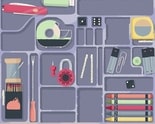
After passports comes the X-ray line, where luggage passes through and you notice what does not belong. Restricted knives and liquid hazards are the obvious ones, but the scanner also throws in decoys, harmless items shaped like trouble.
The screen rewards pattern recognition more than speed. A patient player accepts a slower shift in exchange for actually catching what the scanner is showing them, even if the line behind them grows restless.
By the time a suspicious bag triggers a pat-down, you already have a hunch, and the physical search either confirms it or turns up something stranger, like a live bat where a boarding pass should be. The game leans into that absurdity on purpose.
When the Arrest Button Refuses to Light Up in Papers, Please
One detail players bring up constantly in forum threads is that the arrest button will not activate against a passenger who is genuinely innocent. That single safeguard changes how you play, because it means hesitation is sometimes the correct instinct instead of a mistake.
People search for why the arrest option is not working, and the honest answer is that the game is telling you your evidence is not strong enough yet. It is a built-in check, not a bug.
That safeguard does not remove tension, though. A traveler who takes a hostage mid-interrogation turns a routine shift into a negotiation, and no amount of passport-reading experience fully prepares you for that first time it happens.
Players who enjoy the interrogation dialogue often let a suspicious case run long just to hear how a suspect responds under pressure.
Duty-Free Upgrades and the Slow Grind of Papers, Please
Between checkpoint shifts, you can put resources into the duty-free area, turning a bare waiting zone into something passengers actually want to sit in. Some players treat it as the real long-term goal.
Improving the duty-free space does not fix a bad shift at the checkpoint, though, and that disconnect is one of the things players debate: whether the calmer management layer belongs in the same game as tense interrogations over a forged visa.
Newer players often ignore duty-free upgrades until a bad string of missed contraband forces them to slow down.
- Restricted knives hidden under folded clothing
- Liquid hazards packed inside ordinary containers
- Firearms disassembled across separate bags
- Decoy items meant to waste your attention
That grind is exactly what keeps some players coming back for another shift, checkpoint after checkpoint, well past the point most casual games would have let them stop.
Papers, Please earns its reputation one shift at a time, not through a single dramatic twist but through the accumulated weight of small decisions at the passport booth, the X-ray line, and the interrogation room. The rubber duckies and bananas that turn up in a pat-down are a running joke among players precisely because the game is otherwise so serious about getting the details right.